The challenge
ABC International aims to connect people across the Pacific and foster meaningful cross-cultural conversations on issues that matter. To achieve this, understanding how audiences perceive Pacific TV and radio programming is essential. This project set out to explore how communities in Papua New Guinea and Fiji view the relevance and appeal of ABC International’s Pacific content.
In a region as culturally and linguistically diverse as the Pacific, media representation and relatability are vital. Seeing Pasifika journalists, presenters and producers on screen and on air can strongly influence how audiences engage with stories, whether about sport and the arts, disaster preparedness, or global health. The challenge is how to design regional programming that moves beyond local news coverage and instead creates a shared space where diverse Pacific voices and experiences can connect through meaningful discussion.
Our approach
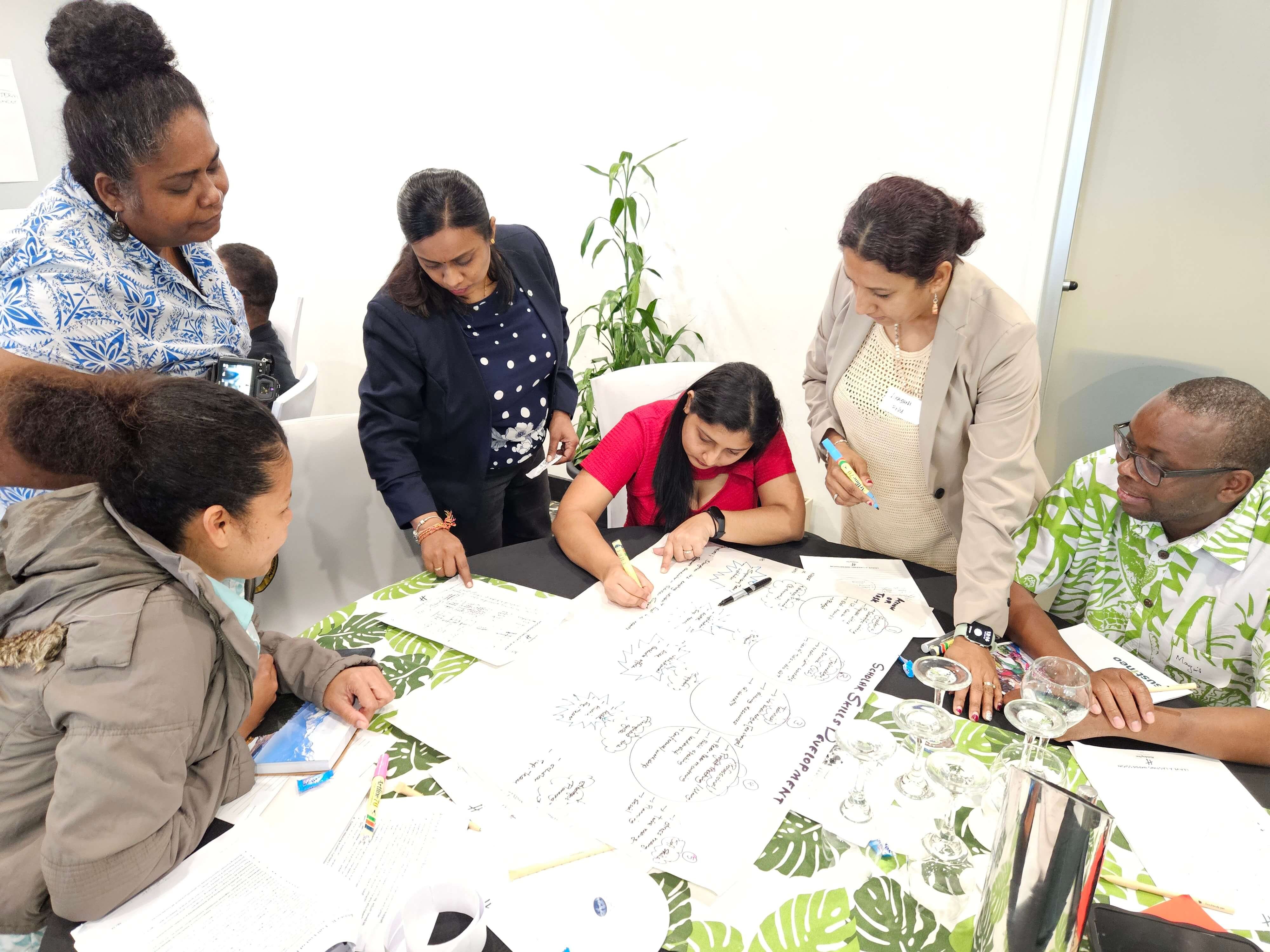
At the heart of this project were conversations - real, open conversations. We worked closely with our local researcher partners in Port Moresby and Suva. Guided by the Pacific practices of Talanoa and Tok Stori, grounded in respect, connection and deep listening, we designed focus group discussions that encouraged open storytelling and honest reflection.
Our long-standing relationships in Papua New Guinea and Fiji meant we could quickly mobilise, recruiting participants of different ages, genders and media interests. Pasifika women researchers from Sustineo and local partners led the research, bringing deep contextual knowledge and ensuring cultural relevance throughout the project.
Across the 8 focus group discussions, participants watched and listened to TV and radio programs, discussing their views on content, the presenters, the stories and future directions. ABC International representatives joined us along the way, listening closely to these stories and insights that will help shape the future of regional programming.
Outcome
The focus groups gave ABC International exactly what they asked for: frank discussions and views directly from their audiences about perceptions, relatability and relevance of media content produced for the Pacific. Participants shared both praise and constructive feedback on content, offering a clear picture of what is working well and where programming could evolve.
One clear message was that Pacific representation goes beyond the presenter’s appearance. It’s about their style of communication and attitudes towards tricky or sensitive topics. Many participants did not want the media to shy away from topics like sex and health but suggested that more diversity was needed in content, including discussions on sex and health directed not just at women but also at men, more disability accessibility in broadcasting, and stories from smaller Pacific nations.
The research confirmed the value of ABC International’s regional lens. Participants said they appreciate hearing stories from across the Pacific, offering perspectives they don’t get from local news. These findings provided ABC International with an evidence-based direction to refine programming that is regionally relevant and engaging for Pacific audiences.
More Sustineo projects
‘I am my brother’s keeper’: Reviewing a faith-based approach to disaster resilience
Voter Awareness Survey and Voter Awareness Program Evaluation