The challenge
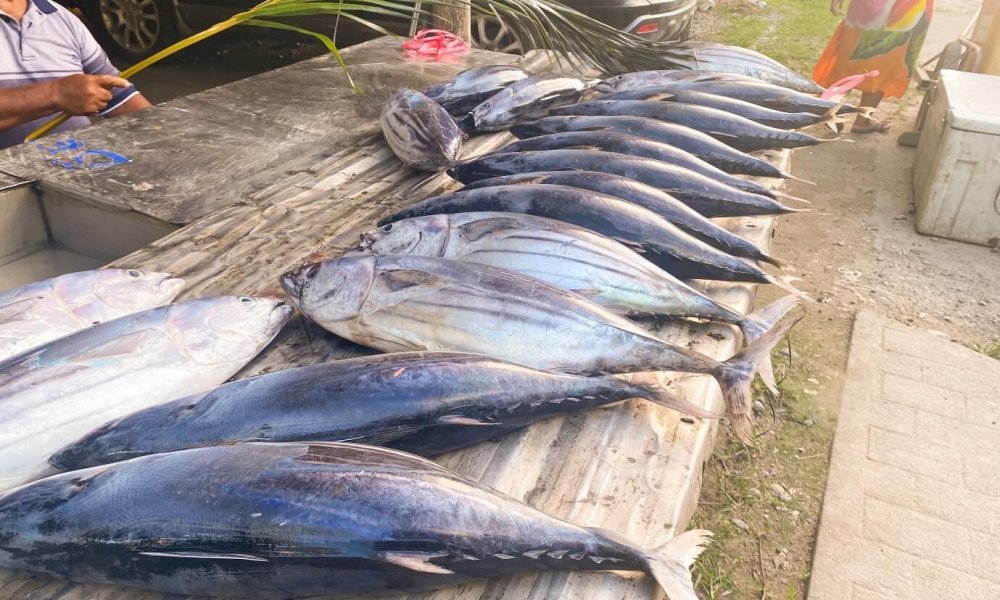
The Pacific’s fisheries, aquaculture and marine ecosystems are fundamental to regional food security, livelihoods, culture and economic development. However, the context in which these resources are managed is changing rapidly. Climate change, population shifts, evolving development priorities and geopolitical pressures are creating new challenges for Pacific communities and institutions, while increasing the need for responsive, forward-looking regional leadership.
The Pacific Community’s Fisheries, Aquaculture and Marine Ecosystems Division (FAME) developed its 2022–2027 Business Plan to guide its support to Pacific Island countries and territories through this changing environment. At the plan’s midpoint, FAME needed a clear and independent assessment of its progress: where the Division was achieving its intended outcomes, where implementation could be strengthened, and whether its strategic direction remained relevant to members’ needs.
Our approach
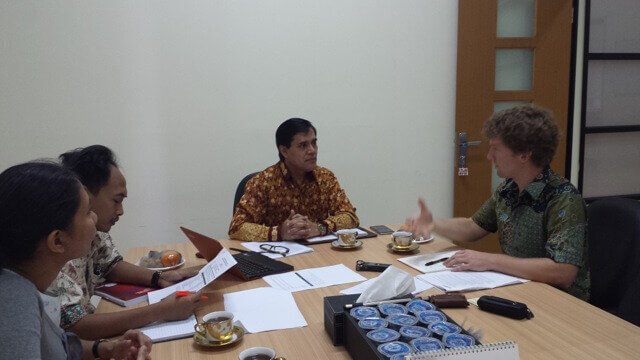
The review took a forward-looking and participatory approach, examining not only progress against the existing Business Plan but also how effectively it positioned the organisation to respond to emerging challenges across Pacific fisheries, aquaculture and marine ecosystems. It considered performance through the lenses of relevance, effectiveness, efficiency and sustainability, while also exploring how cross-cutting priorities such as climate change, oceans, gender equality, disability and social inclusion were being integrated into strategic planning and delivery.
The approach placed particular emphasis on collective reflection and strategic learning. Rather than focusing narrowly on past performance, the review used the evidence to support consideration of how institutional structures, priorities and ways of working may need to evolve to address future pressures on fisheries, coastal communities and ocean resources across the Pacific.
Outcome
The review provided a clearer picture of progress under the Business Plan and identified strategic priorities for strengthening future delivery. It highlighted areas of achievement while also drawing attention to where greater focus, adaptation or investment would help the fisheries and oceans sector respond more effectively to emerging regional challenges.
A key benefit of the review was its contribution to longer-term strategic thinking. It encouraged consideration of how regional fisheries and marine institutions can look beyond immediate operational demands and prepare for changes driven by climate impacts, demographic pressures, evolving development needs and wider geopolitical shifts. This helped frame business planning as an ongoing process of adaptation, rather than a fixed roadmap.
The findings and recommendations provided a practical basis for refining priorities during the remaining years of the plan, while also generating lessons for future planning cycles. More broadly, the review reinforced the importance of evidence-informed, inclusive and forward-looking decision-making in supporting sustainable fisheries, resilient coastal communities and effective stewardship of Pacific ocean resources.