The challenge
Communities across Fiji face growing exposure to natural disasters and climate-related risks, making strong, inclusive preparedness systems increasingly important. Through the Australian Humanitarian Partnership, Disaster READY 2.0 Fiji supported communities, civil society organisations and government agencies to strengthen their ability to prepare for, respond to and recover from disasters. Delivered by CARE Australia and local partners from 2022 to 2025, the program built on an earlier phase of work and placed particular emphasis on locally led approaches and the inclusion of groups that can be disproportionately affected during emergencies.
As the program approached completion, CARE Australia needed an independent assessment of the difference it had made. The evaluation needed to look beyond whether planned activities had been delivered and examine whether the program had contributed to meaningful and lasting change at community, civil society and government levels. It was also important to identify which approaches had been most effective, where challenges remained, and how future investments could build on the partnerships, capabilities and systems developed through Disaster READY 2.0.
Our approach
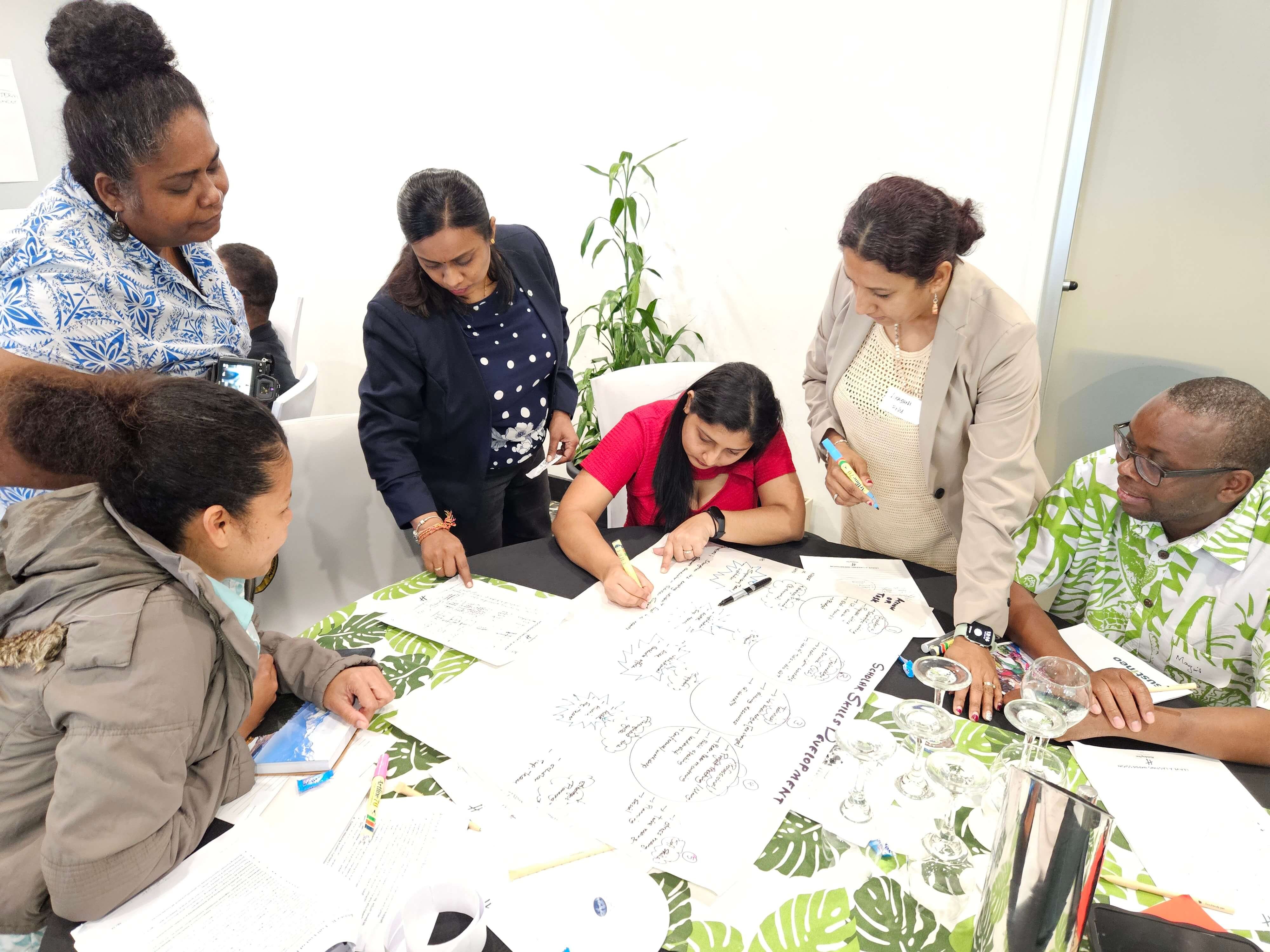
We worked with CARE Australia and Business Connect Fiji to design and deliver an evaluation grounded in local knowledge, relationships and cultural context. The evaluation created opportunities for participating communities, implementing organisations, inclusion partners and government stakeholders to reflect on their experiences and describe the changes they had observed over the life of the program.
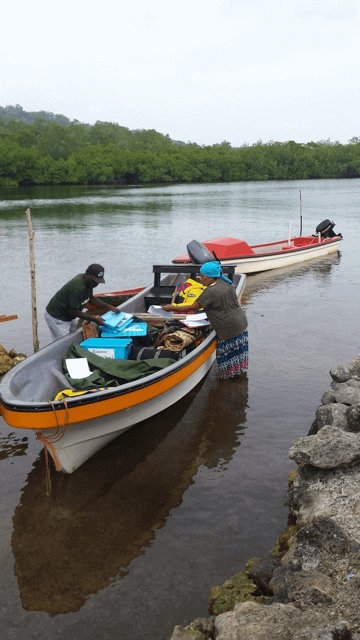
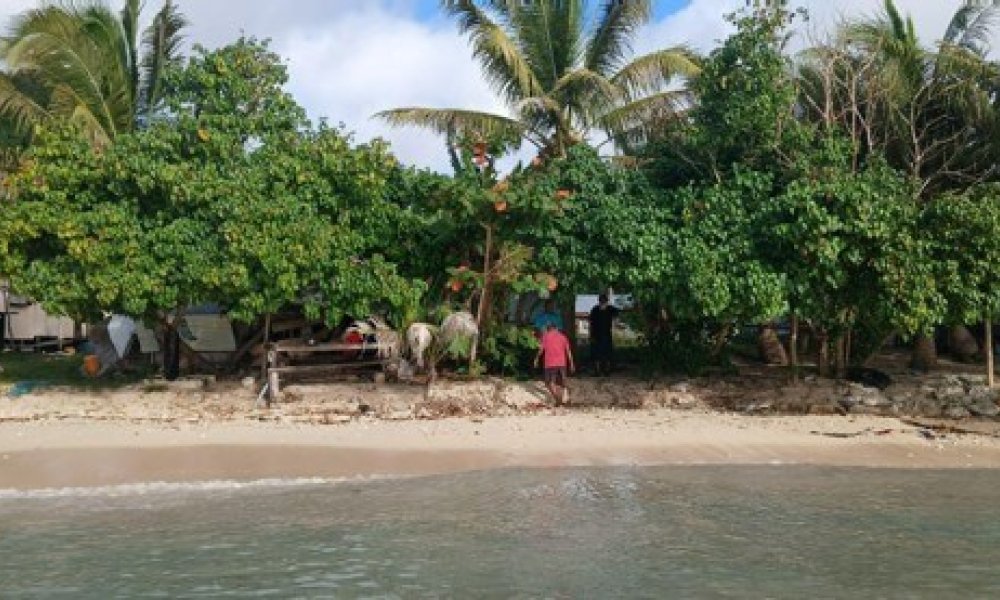
Engagement with seven communities in Vanua Balavu and Cuvu helped ensure that community perspectives were at the heart of the assessment. Talanoa-style discussions provided a trusted space for participants to share stories, reflect on preparedness and inclusion, and identify changes that may not have been visible through routine program reporting. These perspectives were considered alongside program documentation and consultations with community leaders, health workers, partner organisations and government agencies.
The evaluation also incorporated collaborative reflection and validation with CARE Australia and its partners. This helped test the findings, strengthen their credibility and ensure the recommendations were practical, relevant and informed by the people and organisations responsible for sustaining disaster preparedness efforts in Fiji.
Outcome
The evaluation found that Disaster READY 2.0 Fiji had achieved its intended outcomes and delivered most of its planned outputs. It provided CARE Australia with independent evidence of genuine change over time, including stronger community preparedness, effective collaboration with government and civil society, and the value of integrating initiatives such as Tsunami Ready into community-based disaster risk management.
The findings also highlighted CARE Australia’s important role in brokering trusted relationships between local organisations, inclusion partners and government agencies. These partnerships helped connect community-level action with wider disaster management systems and supported approaches that were locally led, inclusive and more likely to be sustained beyond the program period.
Sustineo delivered a final evaluation report, validation workshop, presentation and concise summary, supported by practical recommendations for future programming. Together, these outputs gave CARE Australia and its partners a clear basis for reflection and decision-making. They identified effective approaches worth continuing, areas requiring further attention, and opportunities to strengthen collaboration and inclusion in future phases of Disaster READY and other resilience initiatives.
More Sustineo projects
‘I am my brother’s keeper’: Reviewing a faith-based approach to disaster resilience

Eight years of impact: Lessons from international aid for education in the Philippines