The challenge
Communities across the Federated States of Micronesia (FSM) are increasingly exposed to sea-level rise, coastal erosion, saltwater intrusion, drought, intense rainfall and severe storms. These pressures threaten homes, infrastructure, freshwater supplies and the natural resources that underpin food production and livelihoods. Because climate risks vary significantly across FSM’s four states and its many islands and atolls, effective adaptation depends on solutions that reflect local conditions, priorities and knowledge.
State and municipal governments are well placed to identify and lead these solutions, but many have limited access to the technical expertise, project-development experience and financial resources needed to turn local priorities into fundable climate adaptation projects. Applications for international climate finance must clearly explain how proposed activities respond to changing climate risks, demonstrate community benefits and meet detailed investment requirements.
Through the Green Climate Fund’s Enhanced Direct Access Programme, SPC established a pathway for local authorities to access financing for projects addressing food security, water security, disaster risk reduction and coastal protection. Sustineo was engaged to help strengthen the local expertise needed to support this process and ensure promising community ideas could be developed into technically sound adaptation proposals.
Our approach
We worked alongside colleagues from SPC’s Micronesia Regional Office and the programme’s local Facilitating Agents; consultants supporting state and municipal governments to identify priorities and prepare funding proposals. Our food security and disaster risk reduction specialists focused on building the Facilitating Agents’ confidence and practical ability to discuss climate change with communities, assess local risks and guide the development of appropriate adaptation projects.
Support was tailored to the circumstances of Chuuk, Kosrae, Pohnpei and Yap, recognising differences in geography, governance, livelihoods and climate exposure. Rather than relying on highly technical or generic materials, we translated climate adaptation concepts and Green Climate Fund requirements into accessible guidance, practical examples and activities relevant to FSM.
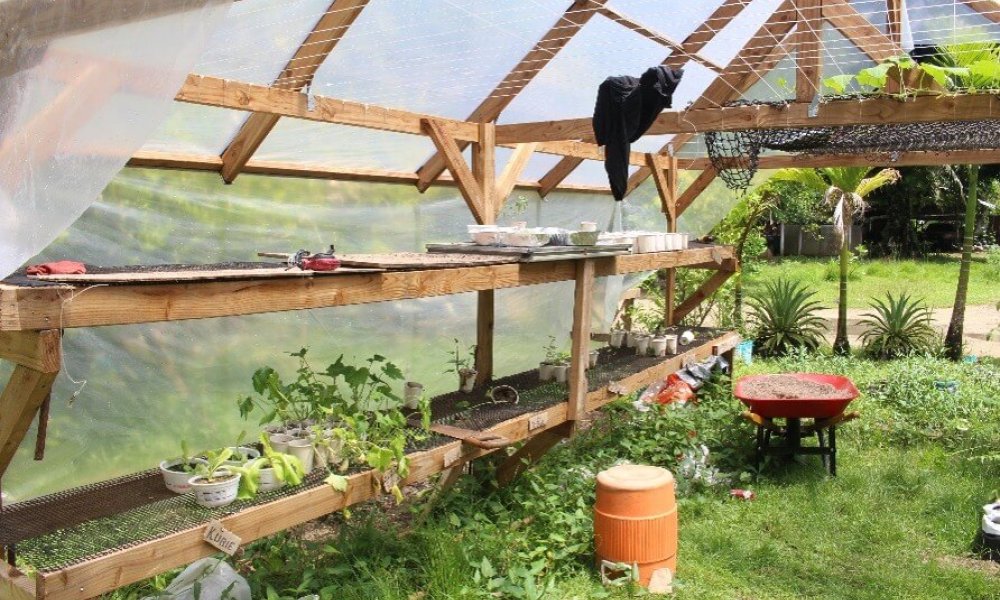
Training and mentoring covered areas such as climate-resilient agriculture, disaster preparedness, coastal protection, project planning and the development of a strong climate rationale. Sustineo also reviewed project ideas and draft proposals, helped identify where additional specialist input was required, and coordinated with experts in water security and other cross-cutting areas. This collaborative approach reflected the close links between food, water, ecosystems and disaster resilience in island communities.
Outcome
The support strengthened the foundations for locally led climate adaptation planning and project development in FSM. Facilitating Agents gained clearer and more practical tools for helping local authorities connect community concerns, such as food shortages, coastal flooding or disaster damage, to specific climate risks and future projections. This helped reinforce the distinction between general development projects and climate adaptation investments designed to respond to changing conditions.
Sustineo produced comprehensive, user-friendly training packages for food security, disaster risk reduction and coastal protection. The materials combined simple language, visual explanations, practical exercises and examples that Facilitating Agents could use directly with local authorities and communities. Designed for ongoing use, they can support future funding rounds and the training of additional local facilitators.
The work also helped SPC identify broader capacity needs, improve coordination across technical areas and place greater emphasis on the climate rationale underpinning proposed projects. By building local capability rather than providing one-off proposal-writing assistance, the assignment contributed to a longer-term goal: enabling state and municipal governments to develop, implement and sustain adaptation projects that protect livelihoods, strengthen food security and reduce climate and disaster risks.
More Sustineo projects
Thinking beyond adaptation: Planning for Loss and Damage in Vanuatu
Impact Assessment of giant clam research in the Indo-Pacific region