New governments in Samoa and Tonga
Further to elections in 2025, both Samoa and Tonga are under new management. The newly installed Prime Ministers are getting to grips with the realities of government, including tackling big issues and criticism.
Snap elections were held in Samoa at the end of August, bringing a protracted period of political instability to a fractious close. The FAST party swept to victory, making La’aulialemalietoa Polataivao Fosi Schmidt Prime Minister. The first few months of his leadership have been tumultuous. He has been on the receiving end of international criticism for eroding media freedom. He has also declared that he wants to change the country’s Constitution to ban religions other than Christianity.
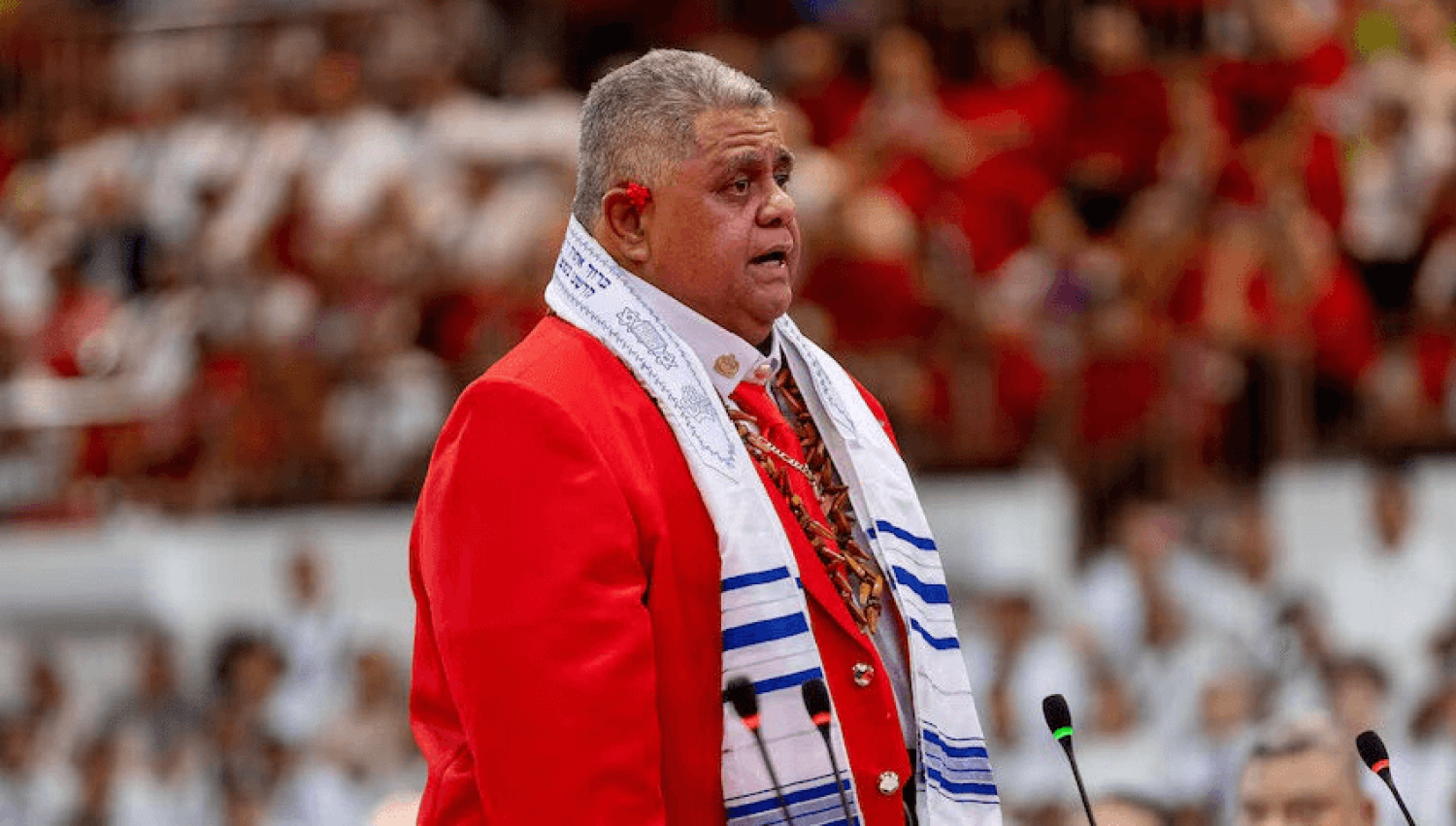
In Tonga, elections were held in November, as scheduled. Since 2010, when democratic reforms were introduced, it has been the norm that the Prime Minister is an elected representative rather than a noble. However, that has been overturned with Lord Fatafehi Fakafānua taking on the role as of December. He has previously served as Speaker of the Assembly. His new cabinet includes Crown Prince Tupouto'a 'Ulukalala, who retains the defence and foreign affairs portfolios.
Elections in 2026
There will be elections in the Cook Islands, Fiji, New Zealand, and Niue during the coming year.
In the Cook Islands, incumbent Prime Minister, Mark Brown will likely face scrutiny in relation to how his government has managed relationships with both New Zealand and China. The contentious issue of Deep Sea Mining is also expected to be important during the election period.
The Fiji elections will be very closely watched. A key question is whether this is the year in which Fiji transitions from a former coup leader as Prime Minister (as has been the case since 2014) to one that does not come with that pedigree. The last 12 months has seen a wave of political stoushes as people and parties jockey for position ahead of the polls.
External relations
There is no reason to think that the geostrategic tempo that we have seen over the last few years in the region is going to ease up in 2026. We can expect another year of announcements of bilateral agreements and arrangements.
On 1 January, US visa and travel restrictions on Tongan citizens came into effect. More than 12 countries are affected by this latest instalment of the Trump administration’s clampdown on immigration. The move has caused a lot of concern as it affects not just those who live in the USA, but also Tongans who wish to travel for family reasons, to study, or for holidays.
Also on the immigration front, late last year the government of Palau agreed to take 75 third country nationals from the USA. Palau will receive an additional US$7.5 million in aid in return for accepting the migrants. This move has been very controversial, with strong opposition from lawmakers and others. President Surangel Whipps Jr has defended the arrangement, saying that these people are not criminals and will contribute to the Palauan economy.
Still on the ‘to do’ list from 2025 is the finalisation and signing of the Nakamal Agreement between Vanuatu and Australia. After a false start in September and protracted negotiation over the text since then, this may not eventuate. More likely, it will be signed in some form but with little fanfare.