Can carbon credits or carbon-neutral certification provide livelihood benefits for smallholder farmers in Papua New Guinea? Sustineo has been exploring this question since 2020, through a series of projects in collaboration with the Australian National University’s Institute for Climate, Energy & Disaster Solutions (ANU ICEDS), Nakau, and a range of PNG-based partners, supported by the Australian Government through the Department of Foreign Affairs and Trade (DFAT). We recently wrapped up the final project in the series. What have we learned, and what does it mean?
Coffee and cocoa in PNG
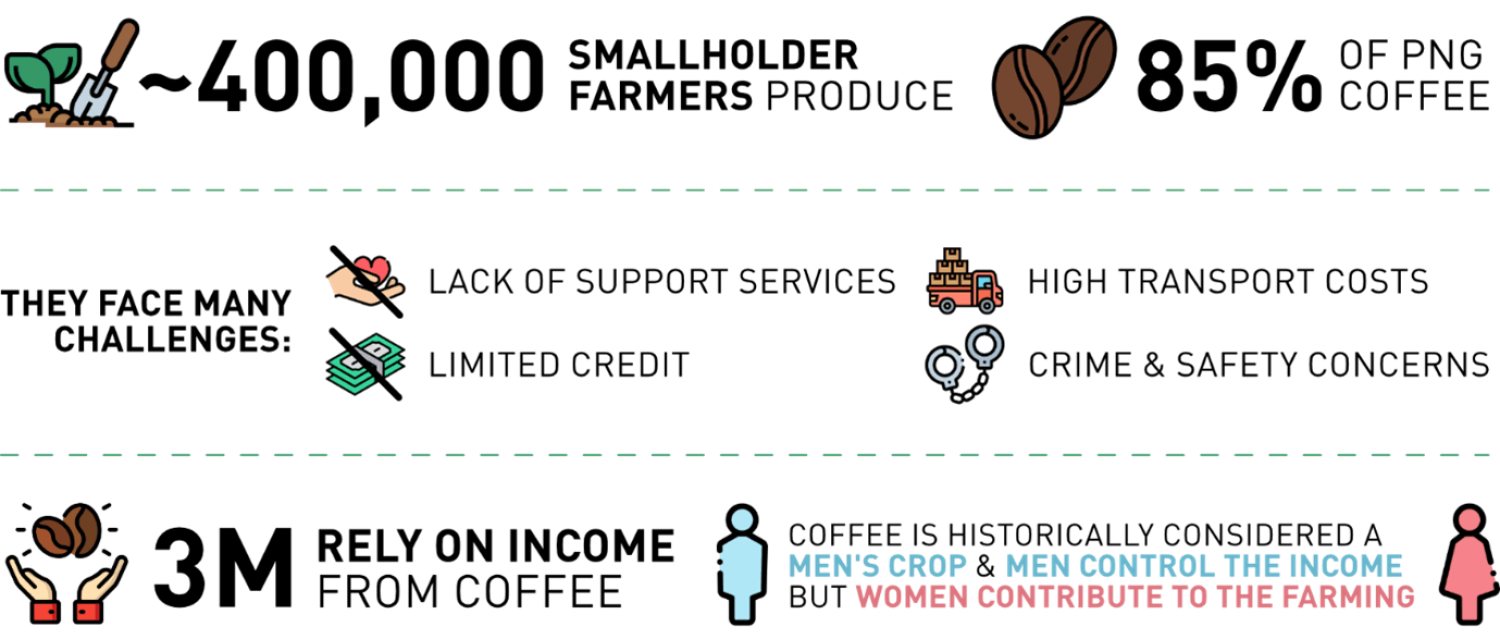
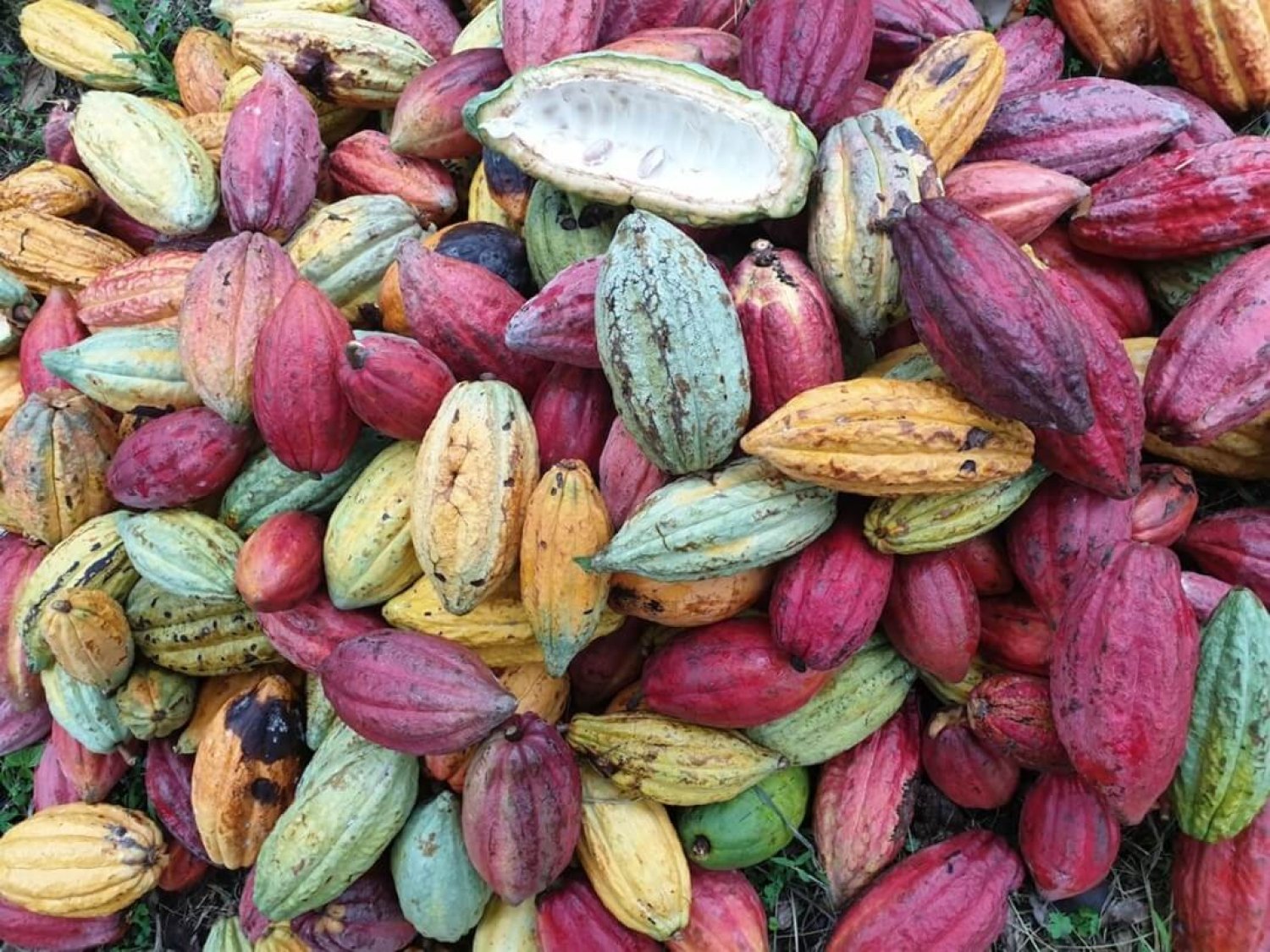
Our work was focused on smallholder agroforestry crops, particularly coffee and (to a lesser extent) cocoa. Both coffee and cocoa are important cash crops in PNG, particularly for the smallholder farmers who dominate production of both products. However, the smallholder coffee sector has stagnated and declined over the last 4 decades, with little to no real increase in coffee prices during this time, and a range of other challenges.
The idea behind the project was fairly simple – if smallholder coffee and cocoa farmers could gain extra income from carbon credits (or higher prices from carbon-neutral certification), while sequestering additional carbon through shade trees and other methods, then it would be a win-win for the farmers and the environment. The original intent of this project was to establish a pilot project in which coffee farmers would receive carbon credits through the voluntary carbon market. However, the idea was not so simple to implement, and there are currently no voluntary carbon market projects in the agriculture sector in PNG.
The history of carbon trading in PNG
PNG hosts most voluntary carbon market projects in the Pacific, accounting for roughly a third of credits issued in the region. Most of these are REDD+ projects. REDD+ stands for Reducing Emissions from Deforestation and forest Degradation, and sustainable management of forests and the conservation and enhancement of forest carbon stocks in developing countries.
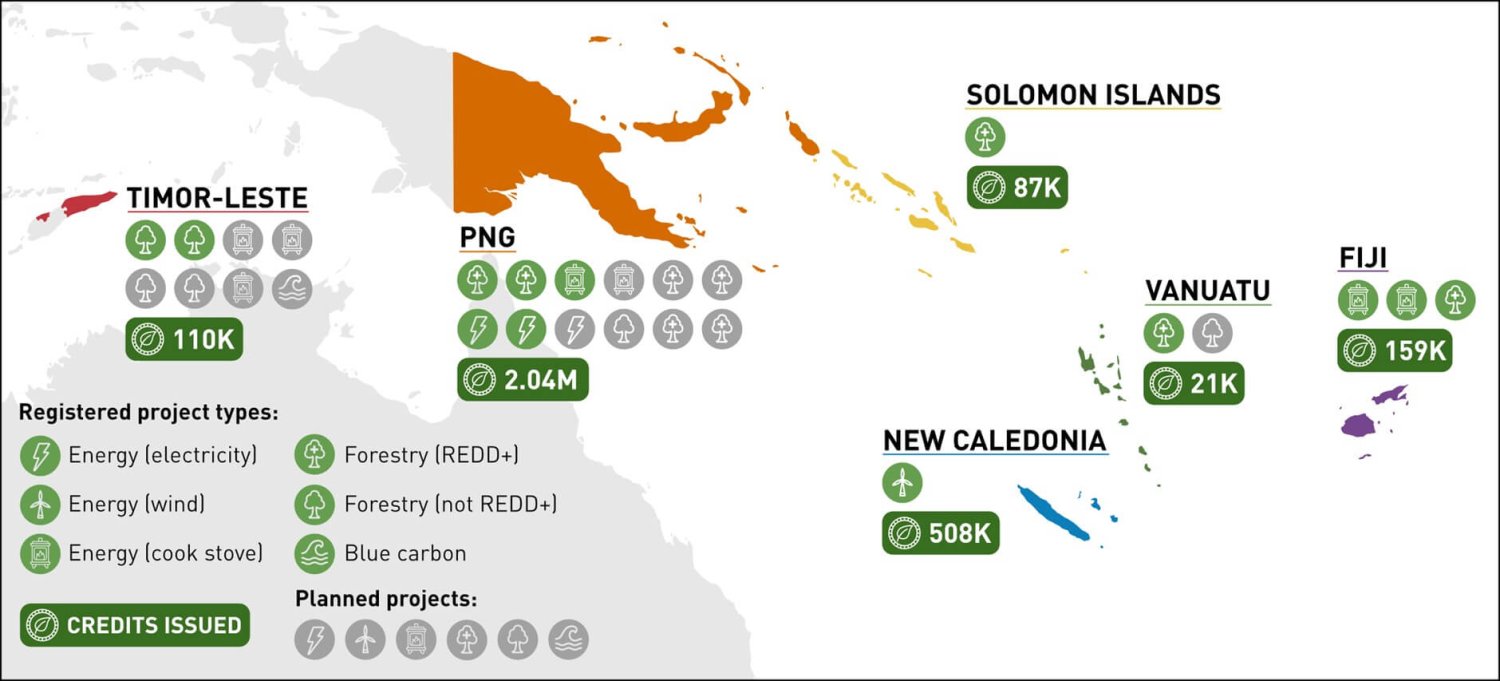
The uptake of REDD+ in PNG has been very controversial and largely unsuccessful to date. The ‘first wave’ of REDD+ projects in PNG faced many scandals, with allegations of corruption, nepotism and dishonest conduct right up to the highest levels of government. There were also project-level problems with benefit-sharing arrangements, landowner identification and representation, and FPIC. Another problem was the emergence of so-called 'carbon cowboys' – imposters making fraudulent deals with customary landowners under the guise of REDD+ projects.
These issues with REDD+ in PNG were widely publicized, degrading trust in the REDD+ mechanism, and ultimately leading to the Government of PNG placing a moratorium on the development of new REDD+ projects while it developed a new regulatory framework to govern carbon markets in PNG.
A new regulatory framework
The key regulation for carbon markets in PNG - the Climate Change (Management) Carbon Markets Regulation (Carbon Markets Regulation)– was gazetted in late 2025. The Regulation includes procedures for the application and approval of voluntary carbon projects; the generation, sale, and transfer of carbon credits; benefit-sharing; and reporting requirements. The Government’s moratorium was lifted in April 2025 in anticipation of the Regulations coming into force.
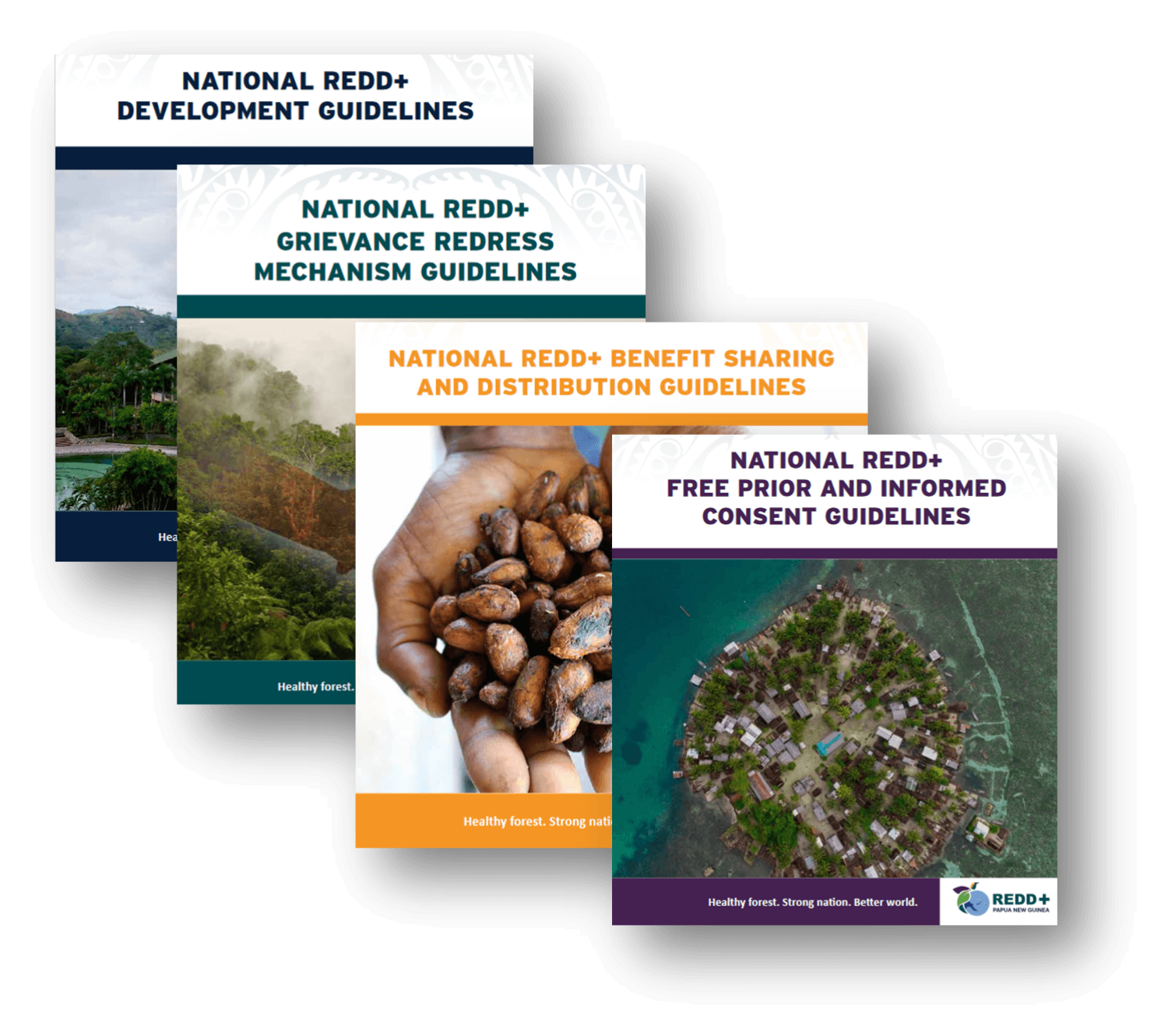
The Carbon Markets Regulation sits alongside the Climate Change (Management) Act 2015 and its 2021 and 2023 amendments, as well as a series of REDD+ Guidelines on project development, grievance redress mechanism, benefit sharing and distribution, and FPIC.
These regulatory reforms were very important, given the controversial history of REDD+ in PNG. The new regulations are comprehensive and rigorous, even going beyond the requirements of carbon standards in some areas. Primarily, they are designed to ensure that the PNG Government plays a more central role in regulating and overseeing engagements between project developers and communities, given that direct dealings between developers and landowners was a key source of problems with the first wave of projects in PNG.
However, the new regulations have also created challenges for carbon projects at the smallholder scale. They are clearly designed with a focus on large-scale REDD+ projects, and the requirements are onerous – likely prohibitively so for small-scale projects. This is particularly the case given the unique challenges of land tenure and landowner representation in smallholder agroforestry in PNG. Our research findings indicated that Clan Land Usage Agreements and farmer cooperatives/associations could be the most suitable mechanisms for overcoming these challenges in the smallholder context, but further targeted research is needed.
So – could it work?
Ultimately, the pilot project did not go ahead. The challenges with complying with the regulatory framework at a smallholder scale were one barrier. Also, the technical assessment done by Nakau found that there is not enough carbon in a coffee tree to generate carbon credits, and generating credits from shade trees is also not feasible (only new shade trees planted as part of a project would count, and most coffee gardens already had too many shade trees, and not enough space to plant new ones).
However, it’s also important to acknowledge that the whole point of a feasibility study is that the findings may show that an idea is not feasible! Then, the responsibility is to think about how those findings are shared and what learnings can be taken forward.
Reporting back
Dr Almah Tararia took on the difficult task of summarising Sustineo’s years of complex work at the final symposium, hosted by ANU ICEDS on 14 April 2026 in Port Moresby.
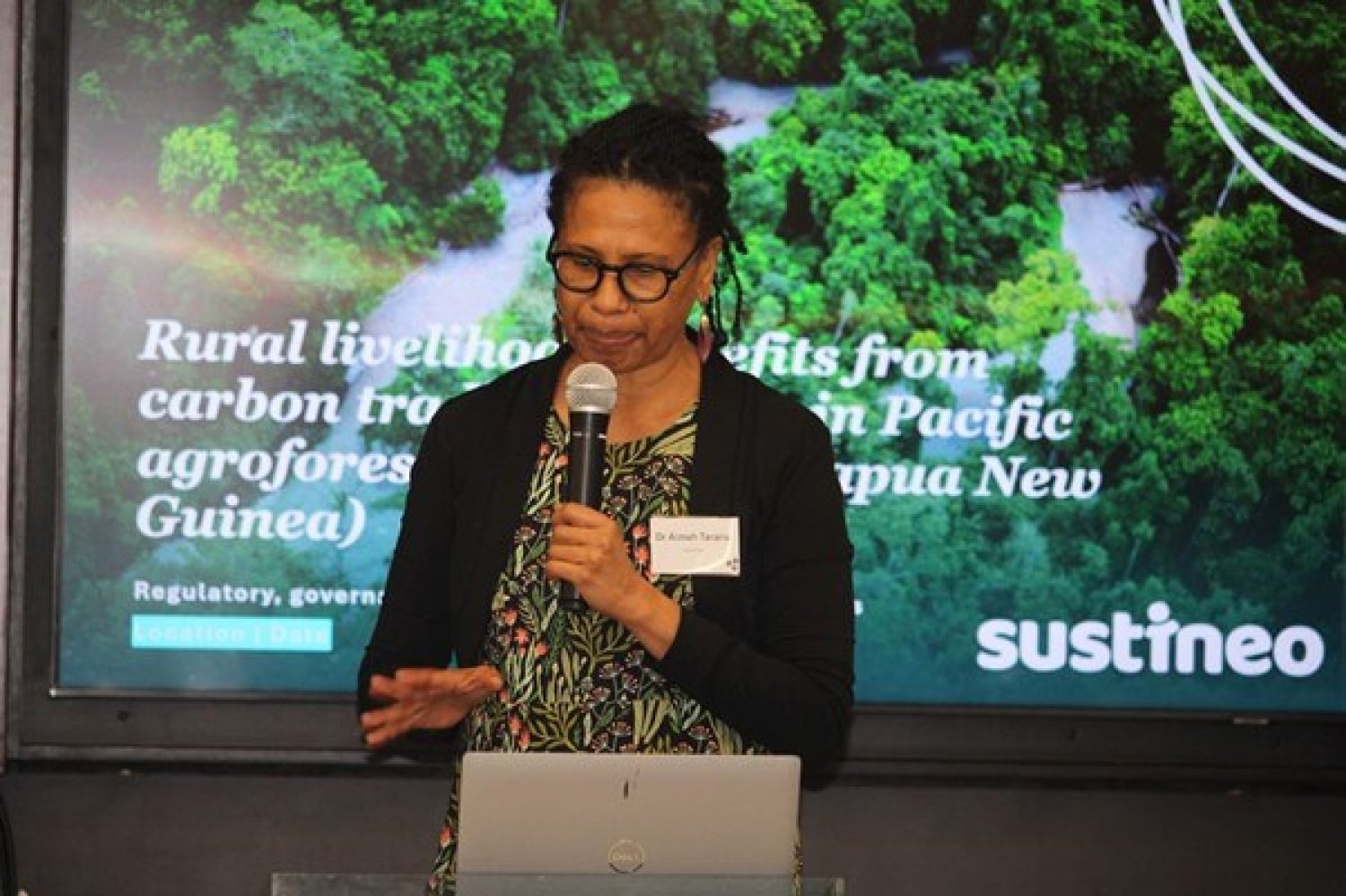
Almah’s reflected on her experience at the symposium:
The symposium was an opportunity to showcase our 3 plus years of rich research and collaborative engagement, working with multiple partners and stakeholders. The work is focused on such an important issue: the potential for improving one of PNG’s crucial livelihood sectors – coffee farming in a changing climate. The challenge as a presenter and panellist was not just in presenting the findings from the different pieces of research work, and doing justice to Sustineo’s collaborative work, but also responding to the “so-what?” question.
The symposium brought together DFAT representatives, the lead agency in the coffee industry (the National Coffee Authority), and partners who had worked together over the years. It also brought together people involved in on-the-ground community engagement, who are responsible for communicating research and its findings to the community. I was among trusted partners who brought technical knowledge to the discussion and have been part of Sustineo's work and learning process on voluntary carbon markets and coffee-cocoa over the years.
Trust is a big element of the work with coffee and carbon in PNG. I have learned that the overall project required commitment to ongoing, repeated messaging, communication that included multiple visual aids, and multilingual communication. It required community engagement from people based in the communities and repeated, ongoing interactions by the project partnership between CDA (Community Development Agency) and the University of Goroka. The challenges identified in our research on the regulatory and governance framework are just one aspect of carbon in coffee. The government, the industry, and donors will need to be part of the ongoing conversation to further the work
As someone deeply involved in this work, I recognise how climate change affects coffee farmers every day. Concepts like carbon and carbon markets are unfamiliar to many in these communities, which can lead to misunderstandings when sharing technical information or research findings. I recognize the importance of research, but I believe it's essential that these findings are communicated effectively to farmers and communities, not just used to inform policy or regulations.
For more information, you can read can also read media coverage of the symposium from The National and EMTV.
About the authors: Dr Almah Tararia is Senior Consultant at Sustineo. Almah is our Port Moresby based GEDSI practitioner and social justice advocate. She is deeply committed to promoting fairness, women's rights, and social equity.
Kate Lanyon is Consultant at Sustineo. Kate works on projects tackling climate change adaptation, environmental governance, and community resilience across the Pacific. A qualitative research specialist, she designs participatory approaches, facilitates consultations, and distils complex evidence into clear, actionable insights.