The challenge
How did voters in Solomon Islands experience the historic 2024 Joint Elections? How confident are they in electoral institutions and political processes – and have their perceptions changed over time? These were the questions we set out to answer for UNDP.
The 2024 elections marked a significant moment in Solomon Islands’ democratic development, with national, provincial and Honiara City Council elections held together for the first time. They also took place against a backdrop of ongoing electoral reform and persistent challenges including women’s political representation, voter decision-making and the influence of Constituency Development Funds.
UNDP needed an independent and evidence-based picture of voter perceptions to understand what was working, where concerns remained, and what this could mean for the next phase of electoral-cycle programming and reform.
Our approach
The study built on Sustineo’s previous electoral perception and civic engagement research in Solomon Islands for UNDP, including studies undertaken in 2015 and 2020. This gave us established question sets and a strong understanding of the local electoral context to draw on when designing the research and interpreting the findings.
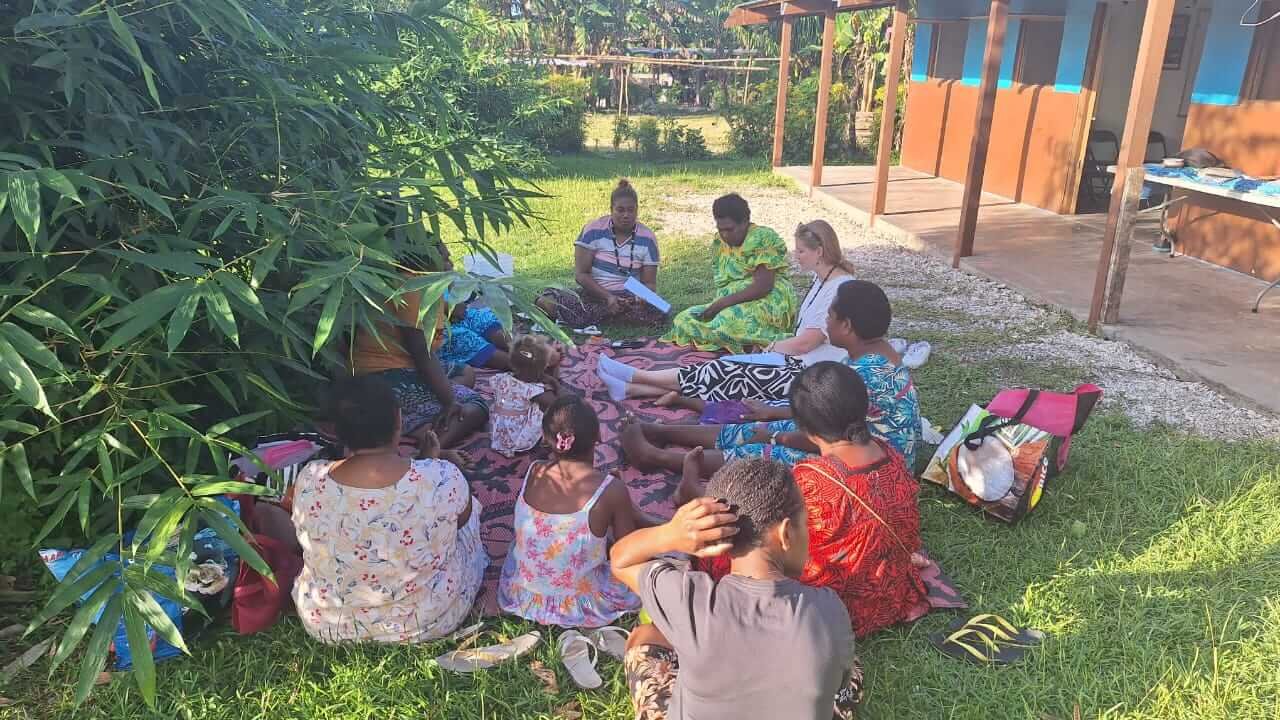
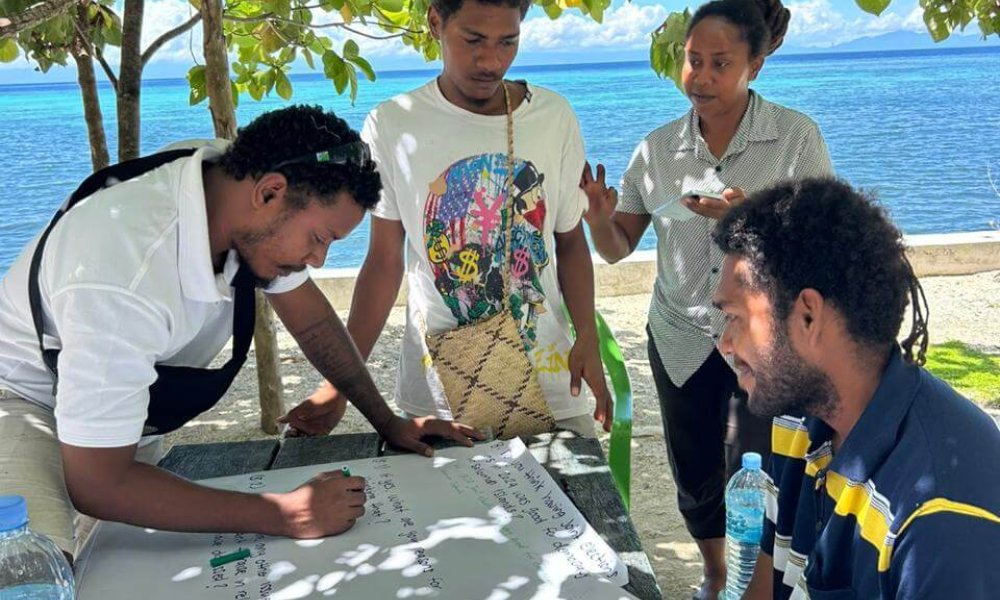
Our teams travelled by air, road and sea across Honiara, Guadalcanal, Malaita, Western, Isabel and Central Province to survey 1,399 eligible voters, facilitate 12 focus group discussions and undertake five key informant interviews. The survey was population weighted, while the qualitative research helped us explore the experiences and perspectives behind the numbers.
We worked in partnership with Asples Pacific Research and Dignity Pasifik, drawing on their local networks, fieldwork experience and understanding of Solomon Islands contexts. Provincial enumerators supported data collection in local languages, while focus groups included dedicated engagement with women, young people and people with disabilities.
We brought these different evidence streams together through statistical analysis, population weighting and triangulation with qualitative and desk-review findings – allowing us to identify important patterns while understanding them within their wider political and social context.
Outcome
The findings identified practical opportunities to strengthen future electoral programming and reform, including civic and voter education, voter secrecy, accessibility and inclusion, electoral processes, and stronger communication and transparency.
The study gave UNDP and the Strengthening the Electoral Cycle in Solomon Islands (SECSIP) Project a detailed evidence base on voter confidence, political engagement and experiences following the 2024 Joint Elections. It also provided insights into important differences between groups and locations, helping show where voter experiences and perceptions were not uniform.
We translated this evidence into a suite of products designed for different audiences. Alongside the final integrated report and cleaned datasets, Sustineo developed a stakeholder presentation and 10 infographics that turned complex survey findings into clear and accessible stories. The datasets also provide a foundation for future research and comparison.
Together, these outputs gave UNDP evidence it could use not only to understand the 2024 elections, but to inform decisions about future support to Solomon Islands’ electoral cycle.
That combination of local knowledge, quantitative analysis and historical context helped us move beyond simply describing survey results. It allowed us to explore what was sitting behind the numbers – and what those patterns could mean for more inclusive, responsive electoral programming and reform in Solomon Islands.
More Sustineo projects
Building adaptation from the ground up: Empowering FSM communities through food security and disaster risk reduction 2025 - 2026
Thinking beyond adaptation: Planning for Loss and Damage in Vanuatu 2025 - 2026