The voluntary carbon market (VCM) has attracted growing criticism arising from questionable carbon credits to unequal power relations and insufficient benefits for local communities. Yet, these problems don't necessarily mean that high-quality, socially just carbon projects are impossible.
During my Australian National Internships Program (ANIP) placement at Sustineo, I explored this question through two community-based carbon projects: Bujang Raba in Indonesia and Tavolo in Papua New Guinea. Both offer important lessons on how carbon projects can move beyond market transactions toward more just, community-centred governance.
No single actor can make it work alone
One key finding is that successful community carbon projects don't necessarily need to be self-sufficient. Governments, NGOs, businesses, researchers, and communities hold different but complementary forms of power and resources which can be combined to promote success.
This is where polycentric governance matters: rather than concentrating power in one institution, different actors can share resources, knowledge, and responsibilities to achieve common goals.
Policy intermediaries, particularly local NGOs, play a crucial role in connecting these actors, translating complex carbon-market knowledge, mobilising resources, and building trust.
But meaningful community participation is non-negotiable. It is not simply about obtaining consent or inviting communities to meetings. Communities must have genuine opportunities to shape decisions, determine how benefits are distributed, and influence how projects operate.
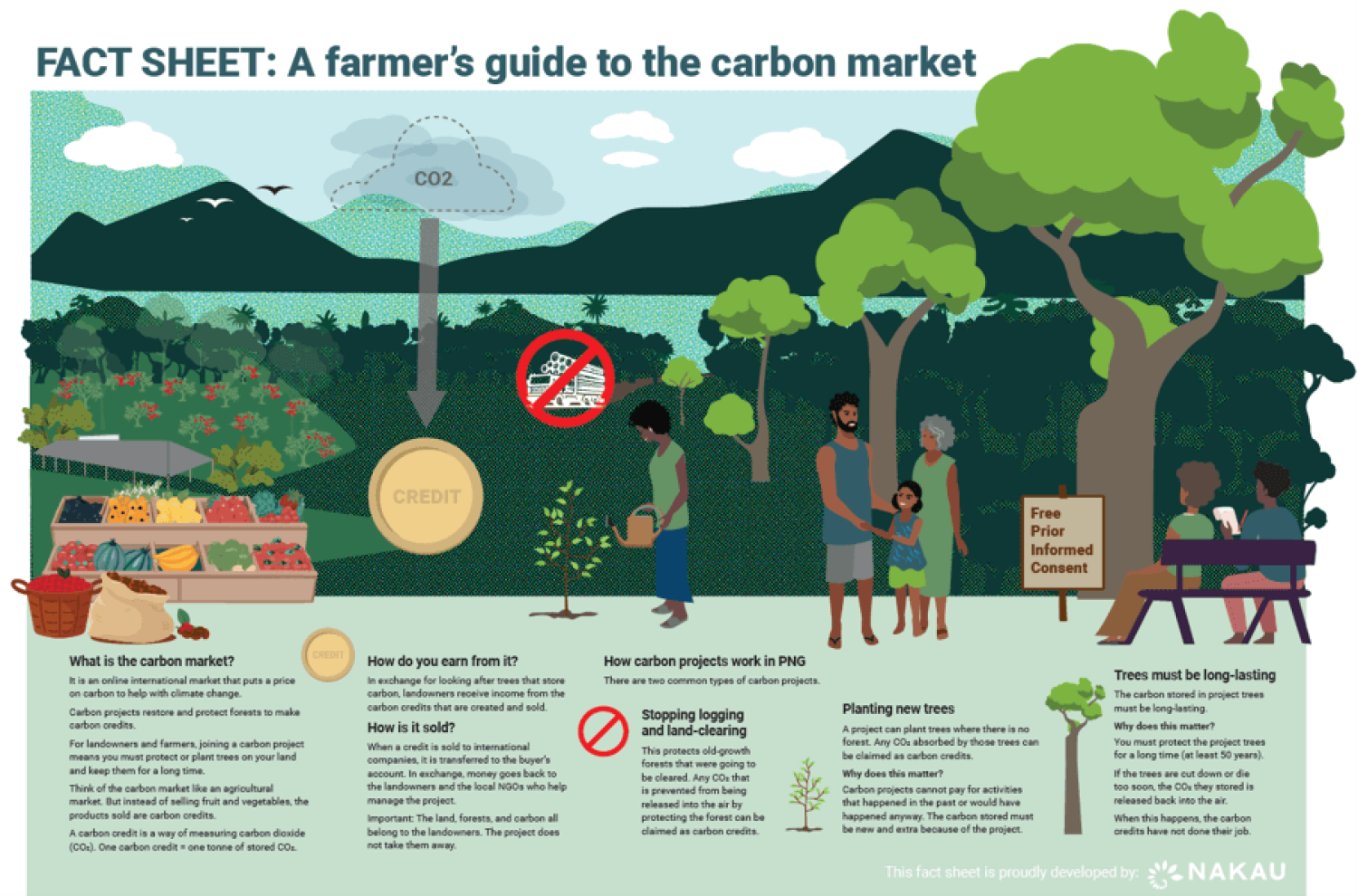
In both cases, long-term NGO accompaniment helped establish this trust. Communities also secured legal recognition of their forest or land rights and received the largest share of carbon benefits (cash and in-kind benefits such as health and education): 60% in Bujang Raba and 70% in Tavolo.
From promising practices to lasting change
Even these relatively positive cases face challenges around transparency, community autonomy, dependence on intermediaries, and regulatory uncertainty.
My research highlights three priorities for different actors:
- Governments should become better connectors and enablers. This means establishing hubs that connect communities with initiatives, expertise, and financing; facilitating knowledge exchange and accessible guidelines; and ensuring clear regulations and coherent policies across government agencies.
- NGOs and policy intermediaries must strengthen transparency and plan their exit. Financial arrangements, project risks, and decision-making processes should be accessible to communities. More importantly, intermediary support should gradually strengthen community independence rather than create permanent dependency.
- Think tanks and development agencies can help decentralise power through knowledge and resources. Beyond producing research, they can co-develop accessible guidelines, facilitate knowledge exchange, and broker networks linking communities with technical expertise and capital. The aim should be to strengthen community decision-making, not replace it.
Beyond carbon credits
Ultimately, a high-quality community carbon project is not simply about how much carbon is traded or how much revenue is generated. Its social integrity also depends on who holds power, whose knowledge counts, who participates in decisions, and who ultimately benefits.
These practices do not automatically resolve concerns about the environmental integrity of carbon credits. But they show that more just governance arrangements are possible.
The real question is not only whether carbon projects can work, but how they can work for communities, with communities, and eventually be sustained by communities themselves.